
Èkìtì people and land constitute a foundational component of the ‘Káààrọ̀ – jíire’ awakening anchored on a triology of the origin myths at Ile-Ife; viz. – ‘Oòdáyé', ‘Oòyè’ and ‘Oodua’. This is firmly attested to severally. For instance, the Èkìtì dialect is listed among the central Yorùbá dialects groups to and from which other dialect groups are related or derived respectively.
Perhaps, more significantly, most of the key culture heroes of ‘Káààrọ̀ – jíire’ were native to and achieved their super-human relevance/prominence in Èkìtì land.
The list include:
Modern Èkìtì history can arguably be dated to the successful prosecution of the Èkìtì parapọ̀ war (Kírìjì war), in the later decades of the 19th century.
That war emancipated Èkìtì from the republican Ìbàdàn ambition to re-establish the defunct Ọ̀yọ́ sovereignty over and above the geographical boundaries of the collapsed empire. The war marked the point in time from which the consciousness and imperative of sub-national solidarity were reignited and ingrained anew in the Èkìtì psyche! The ensuing British pacification also marked a clean break from the previous ages of illiterate of legendary iterations of cultural experience.
Henceforth, cultural experience as well as heroes and icons would be recorded in literate and temporal facticity.
Hence, this solidarity became manifest In various ways. There were various Èkìtì parapọ̀ associations during the period of the Western Region; there was the shared use of the ‘WP’ plate number on motorized vehicles; the enthusiastic collaborative establishment and finding of Ekiti parapọ̀ college, Ìdó- Èkìtì was possibly the most impressive display of solidarity given the renewed yearning for literacy during the time.
Formal Inauguration:
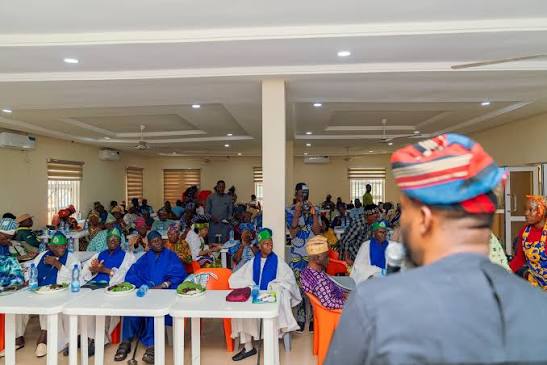
The creation of Èkìtì state in 1996, hastened the formal inauguration of the Èkìtì Council of Elders (ECE).
Chief Joel Ẹhínafẹ́ Babátọ́lá of Adó- Èkìtì, was the pioneer Chairman, while Chief Adébámigbé Akiláyà of Ifaki Èkìtì was the pioneer General Secretary. These pioneer leaders established the Council on a firm footing.
Prof. J. O. Olúwásanmí succeeded the pioneer Chairman as President, and Elder Níyì Ajíbílù is now the General Secretary.
The current leadership of the Council has grown the membership to about two hundred (200) from an initial figure of about a dozen members.
Membership of the Council is open to all Èkìtì indigenes, regardless of gender, in so far as prospective members have attained 60 years of age. In addition, members are ranked by age grade as following:
i) 60 – 70 years - Àgbà;
ii) 80 – 89 years – Àgbàlágbà
iii) 90 years and above – Arúgbó
While members are free to belong to any political party of their choice, the Council itself is studiously non-partisan. Instead, it is playing the role of a father by advising, admonishing and correcting political actors on the conduct of public affairs wherever it deems necessary. The Council is a reservoir of brains and assets in all fields of endeavor, who have demonstrated and are willing and desirous of giving back to their communities at all times.
SOME NOTABLE ACTIVITIES OF COUNCIL
i. intervention in the Federal Polytechnic Adó Èkìtì lingering crisis in 2015. This was formally commended by the Federal Minister of Education;
ii. presentation of A MEMO on the problems of herdsmen in Èkìtì to the Government after an elaborate study of the situation on the ground in 2016;
iii. presentation of our evaluation of Federal Roads in the State and their conditions to the Federal Minister of Works and Transport. This culminated into the reintroduction of the New Ado-Iyin-Itawure Road into the Federal budget - 2016;
iv. intervention in the fuel crisis that erupted with the State Government policies on petrol stations – January, 2017;
v. intervention in the crisis at the Federal Teaching Hospital, Ido – Èkìtì. The case was referred to the Council by Èkìtì Indigenes at the Institution;
vi. creation of a Social outlet for about 200 Aged persons drawn from all Èkìtì towns and villages – 2017;
vii. collation of views from Èkìtì (formal & Informal groups, academia, personalities etc.) and from the archives for a blueprint on Ekiti development;
viii. involvement in advocacies from time to time to effect attitudinal changes towards imbibing and sustaining Ekiti core values;
ix. acquisition and preparation of land for the Èkìtì Elders Resort;
x. survey on urban and rural land usages by non-indigenes;
xi. summit on statewide security (2021);
xii. seminar on Ageing Gracefully (2022);
xiii. publication of a book: Yoruba Renaissance - Challenges and Prospects, authored by one of its versatile octogenarians, Sir Lawrence Egunjobi (2023);
xiv. institution of a Hall of fame with the maiden induction of 5 members and a publication of their biography; The remarkable stories of inductees – (2023);
xv. institution of Joel Babatola Annual Lectures (JOBAL) under a Board of Trustees. The maiden lecture was held in 2025;
xvi. institution of the Joseph Oluwasanmi Wellness Centre for geriatric services & health care services to the neighbourhood of the Elders Resort (2024);
xvii. inauguration of the maiden affiliate group (2026).
Years of Service
Local Government Areas
Community Projects
Ekiti People Served
The Council was established to enhance the positive elements of the state and her people as a unique cultural enclave within the larger Yoruba nationality.
To achieve this vision, the Council intends to engage in the following:
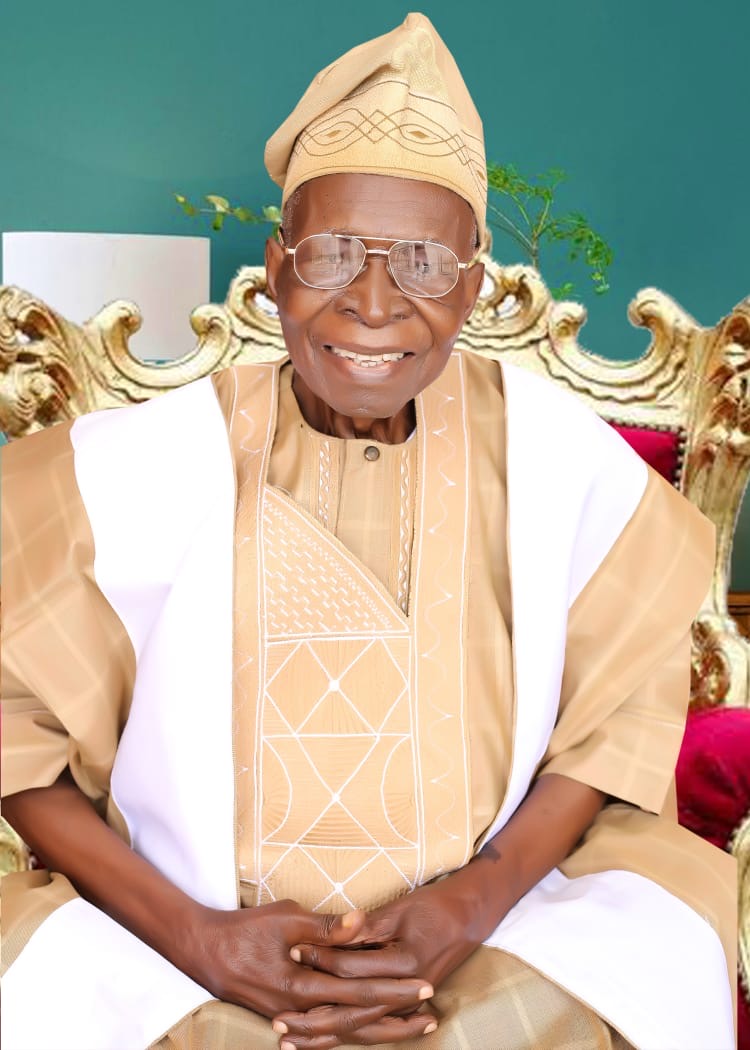
President
Vice President
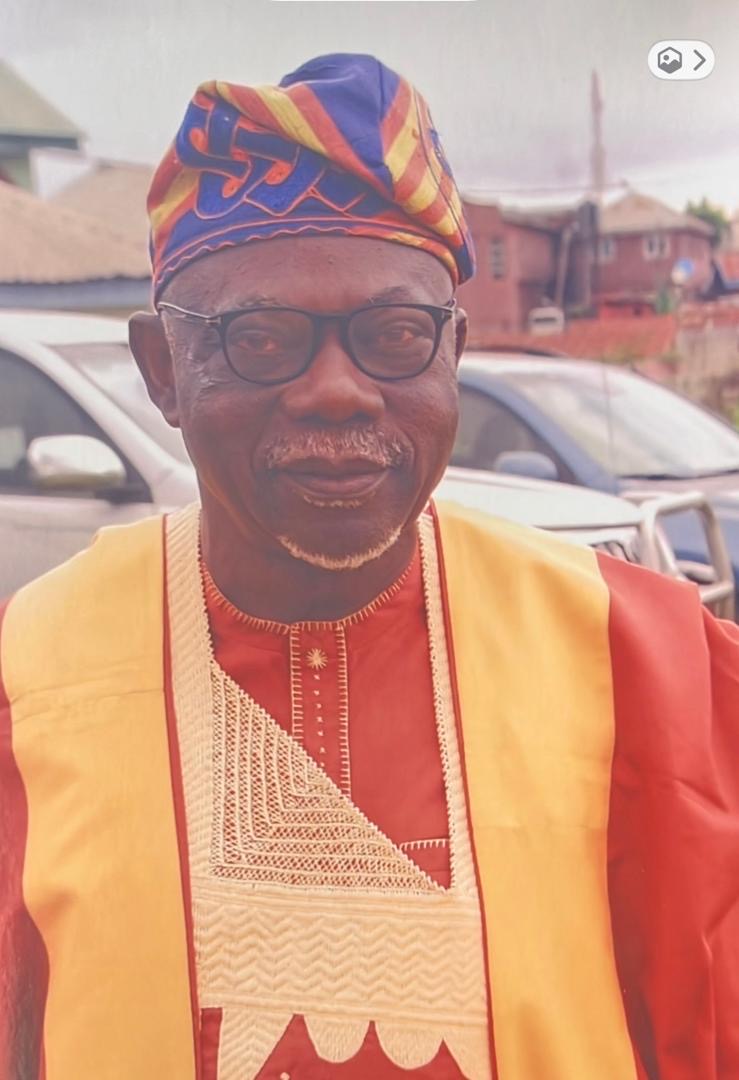
General Secretary
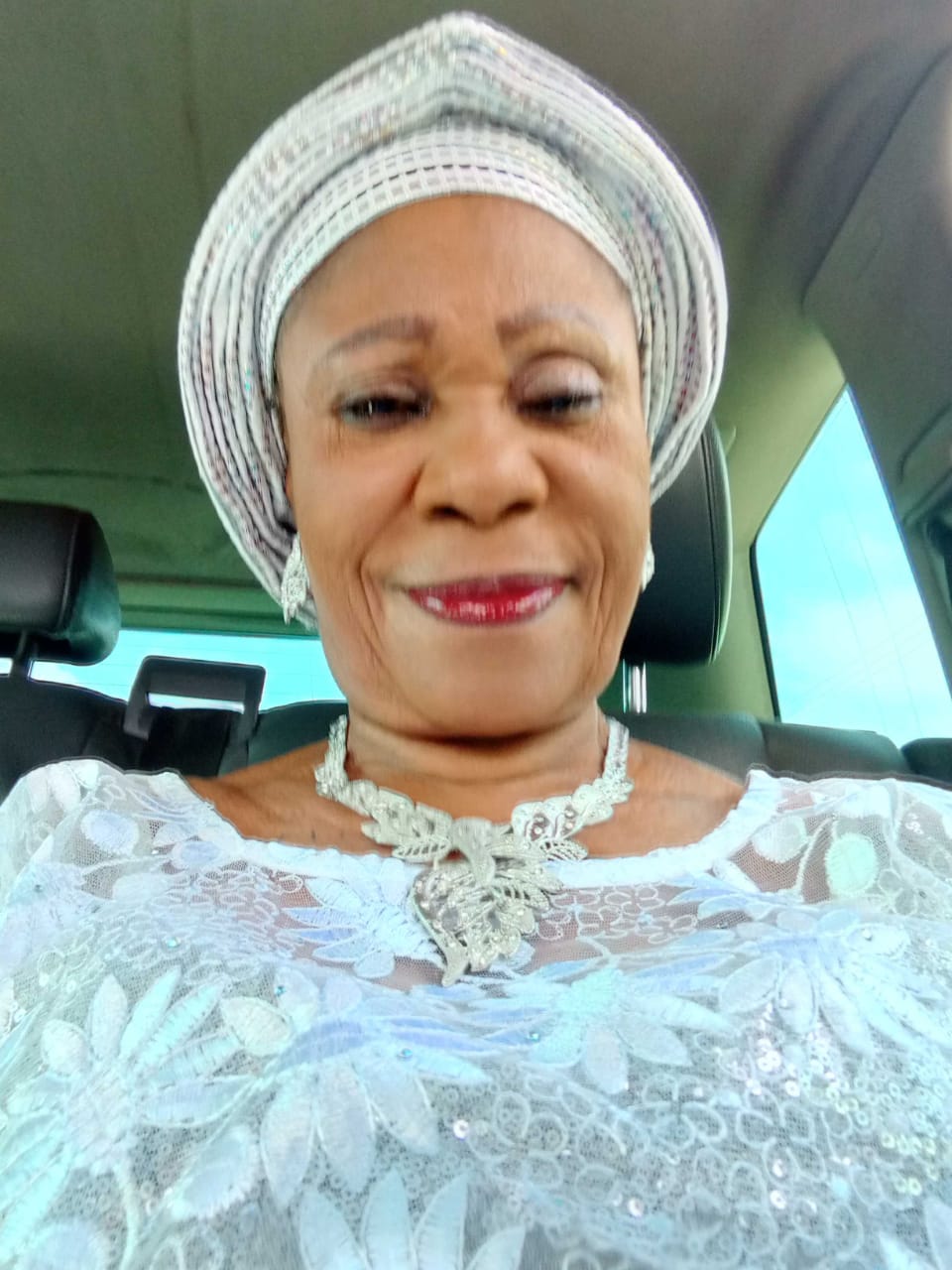
Treasurer
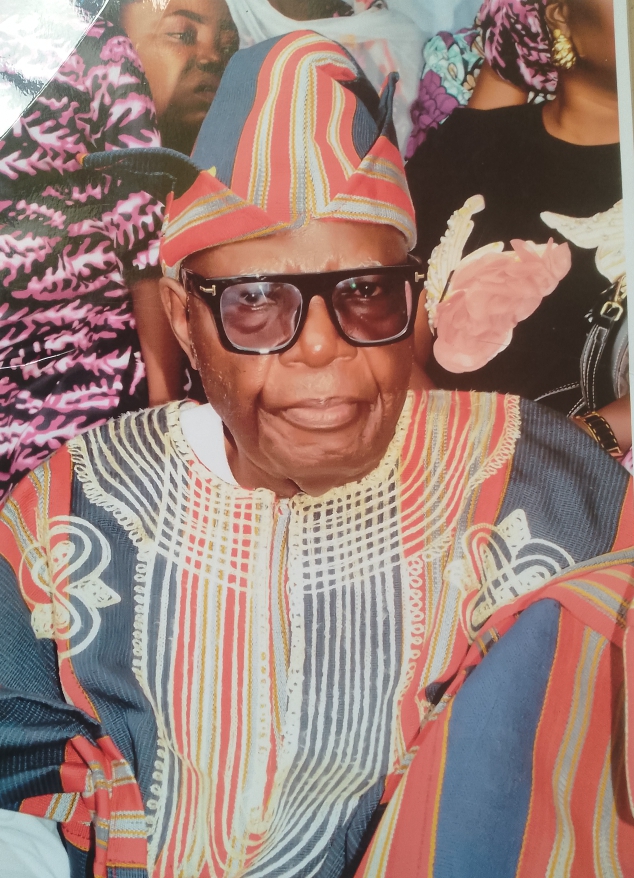
Financial Secretary
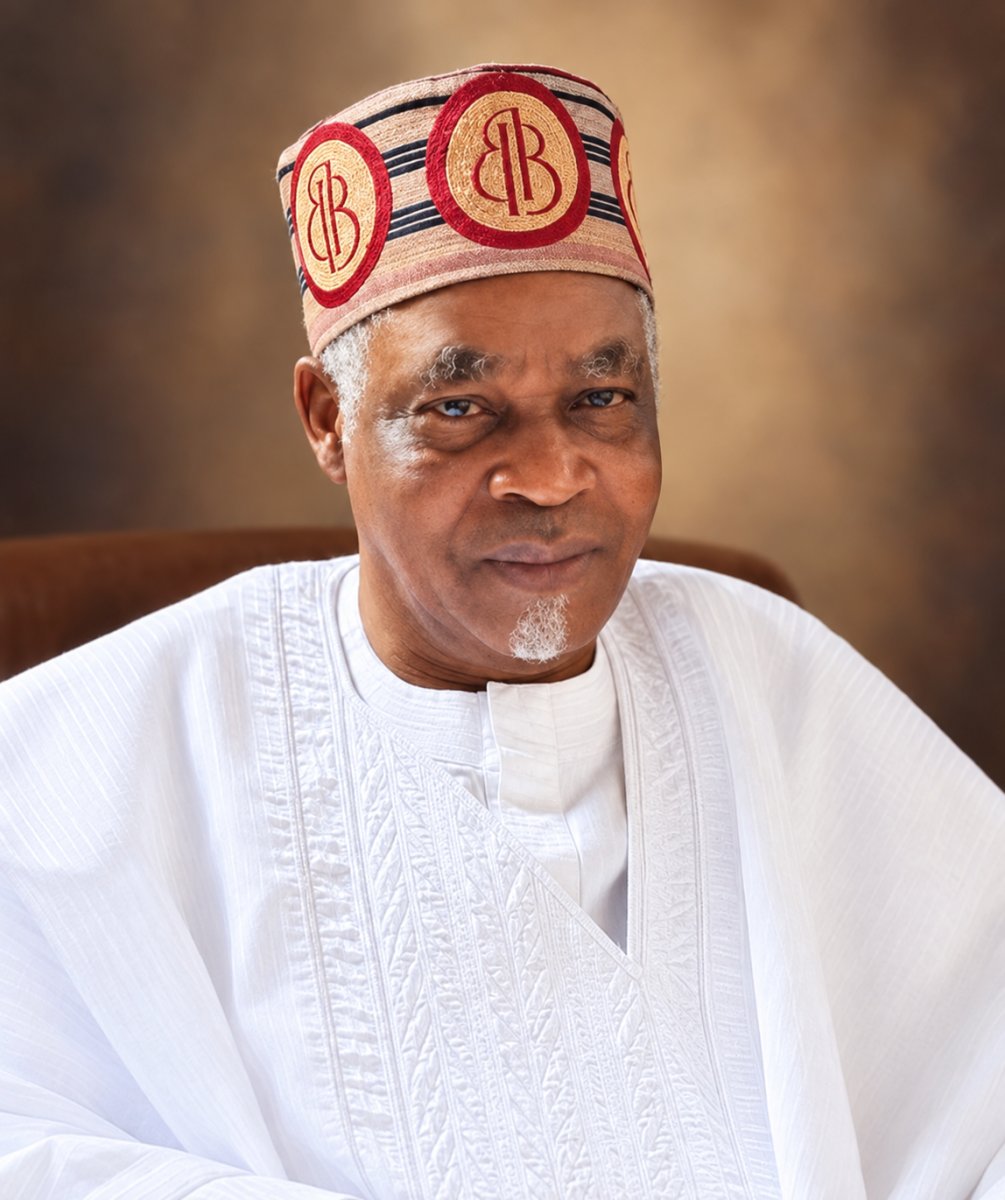
Public Relation Officer
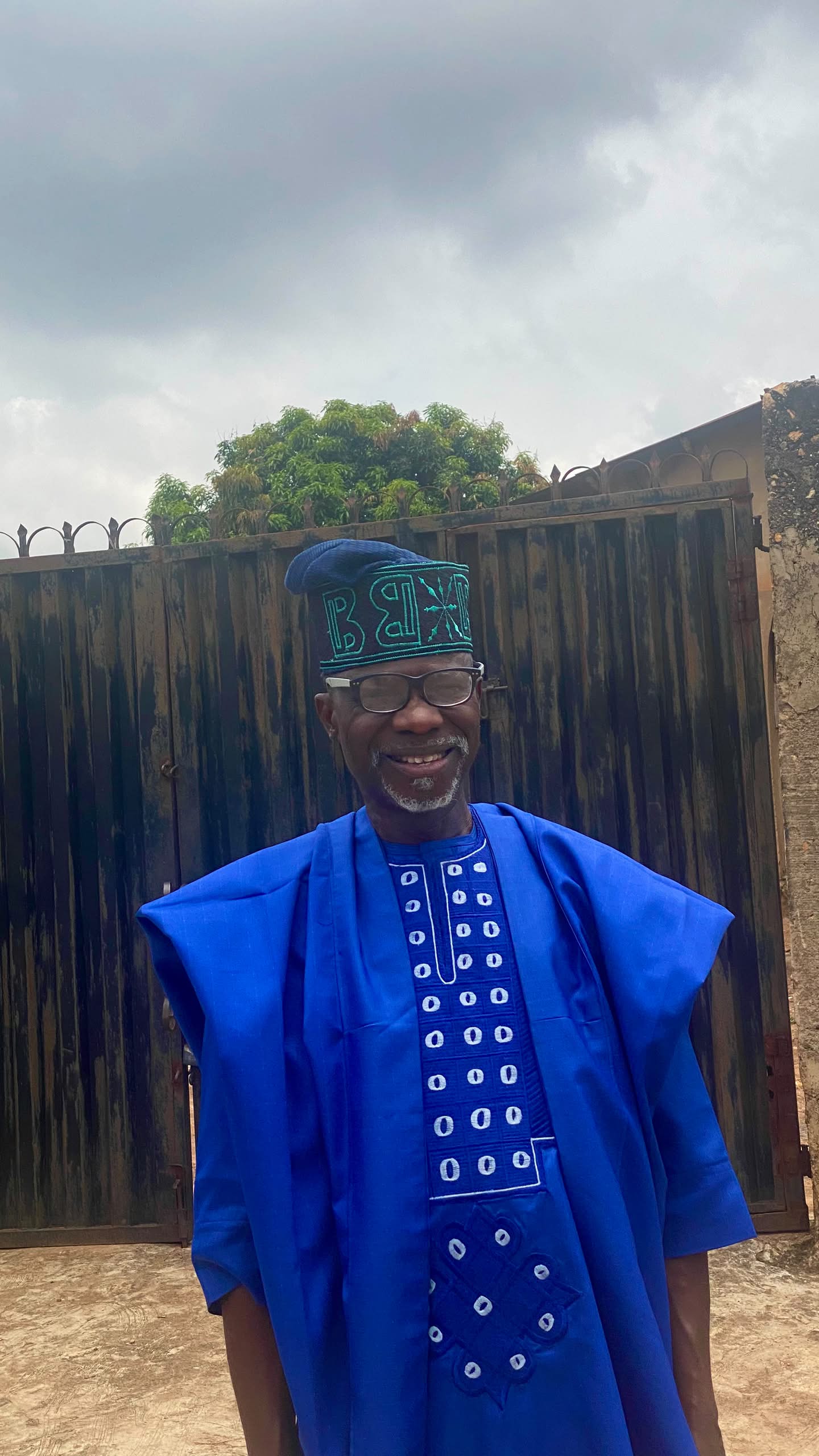
Legal Adviser
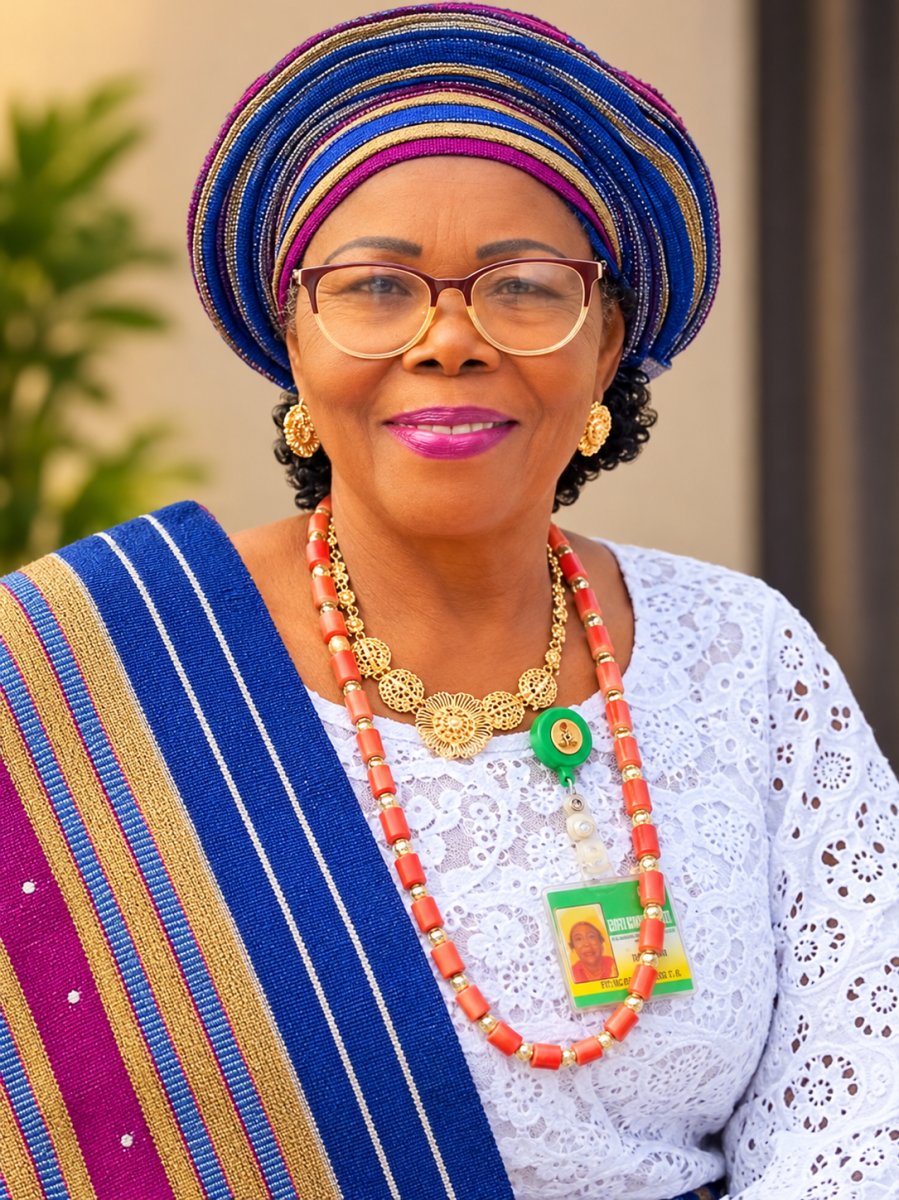
Welfare
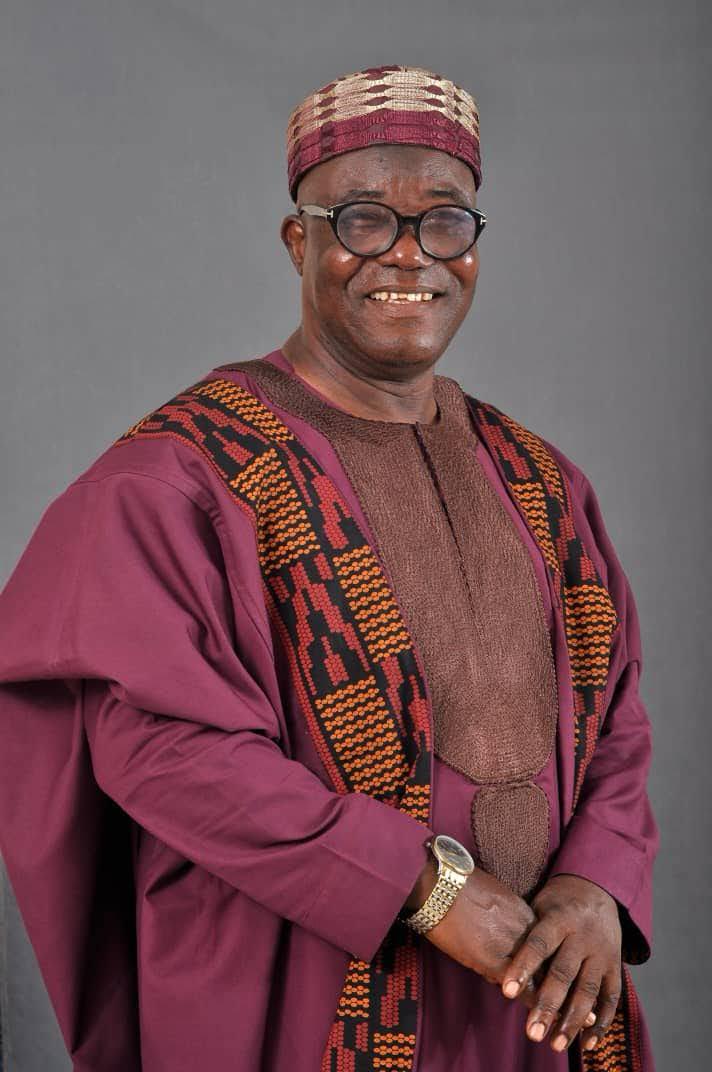
Protocol
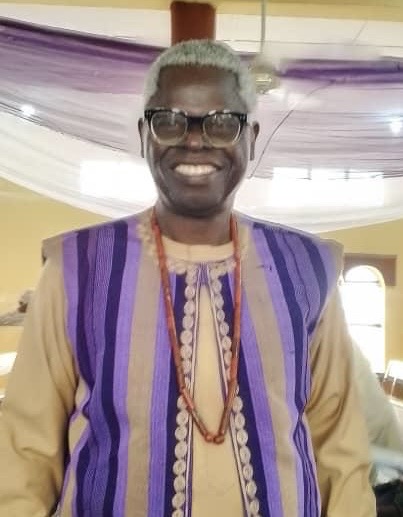
Assistant General Secretary
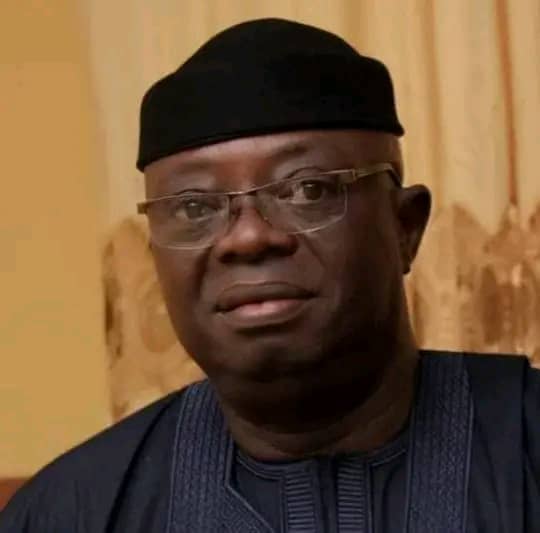
Assistant Genaral Secretary II
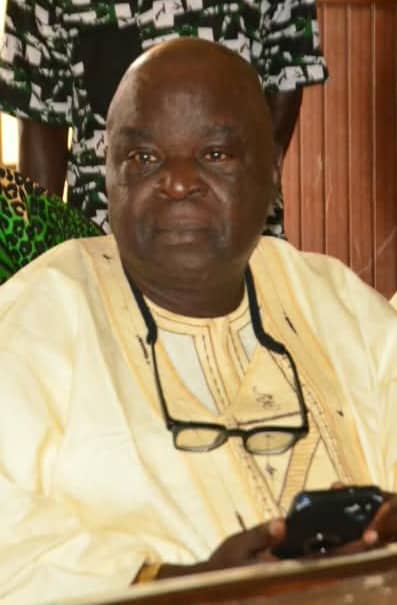
Assistant Treasurer
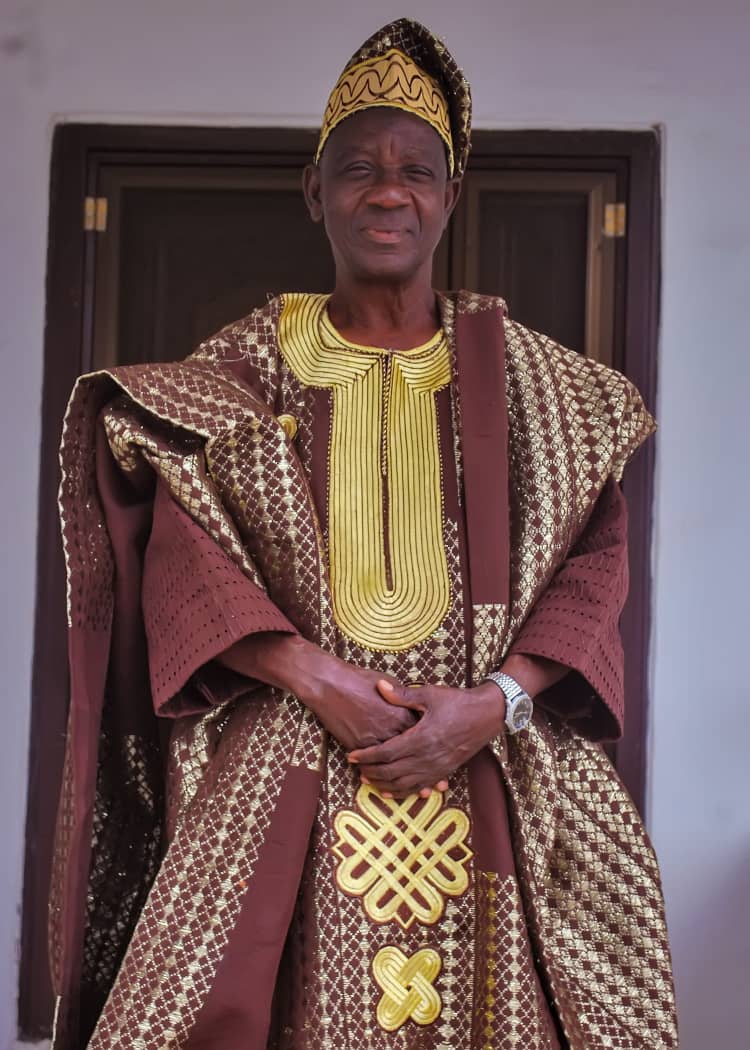
Assistant Welfare